

Nose blocked at night — and actually okay during the day? This is not an isolated case. Many people only realize how much a blocked nose disrupts their sleep when they lie down. Here are seven common causes and concrete steps you can test tonight.
1. Cold or infection
Swelling of the mucous membrane plus secretion - classic in autumn and winter. Nasal spray can help in the short term; mechanical Nasal Strips are a drug-free supplement if you want more air at night.
2. Allergy (pollen, house dust, animals)
Allergy sufferers often experience a second “peak” at night. Details: The case for allergy sufferers.
3. Dry or cold air
Heating air in winter dries out the mucous membrane - it reacts with swelling. A humidifier or a damp towel on the heater can help.
4. Lying position
In the back, the pressure in the head and nose increases. Lying on your side often provides relief - combined with freer nasal breathing.
5. Reflux or late eating
Acid reflux can irritate the lining of the throat and nose. Increase the distance between dinner and sleep.
6. Medication or hormones
Some blood pressure medications or pregnancy change the mucous membrane. If symptoms persist, speak to a doctor.
7. Chronic nasal problems
Septums, polyps or permanent rhinitis often need more than a plaster - but mechanical help can still provide relief.
What you can try tonight
- Take a warm shower 30 minutes before bed - steam often loosens things up
- Salt rinse if you are used to it
- Bedroom at 18–20 °C and moderate humidity
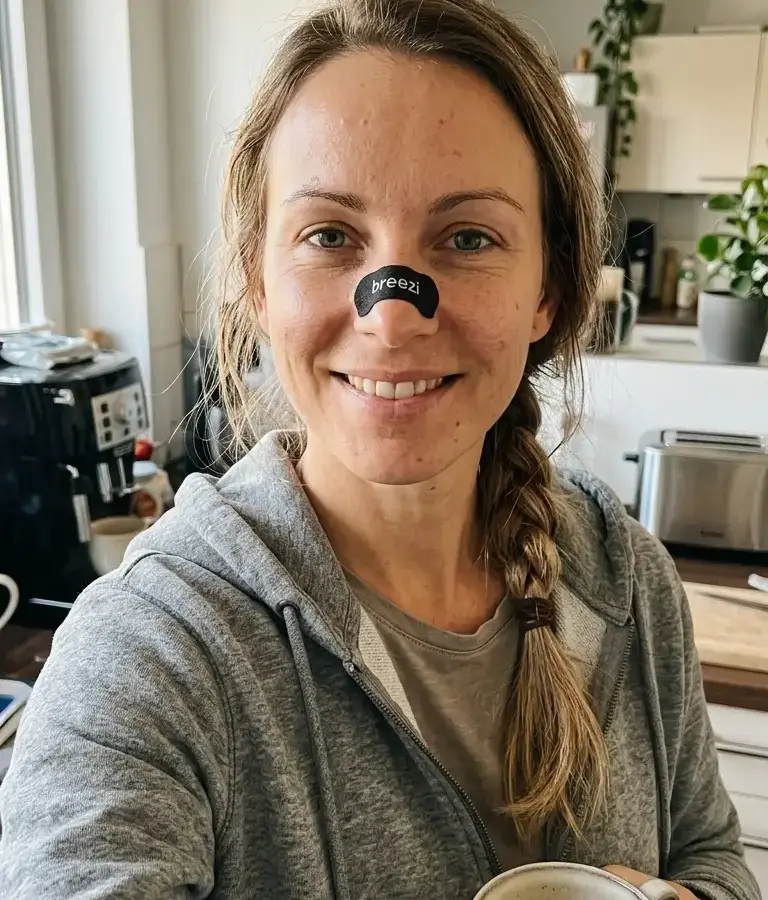
- Nasal Strips on clean, dry skin - e.g. b. Breezi Premium nasal plasters
We explain why nasal breathing is generally important this article.
Nasal plasters vs. other aids
Steam inhalation, elevation, side sleeping — all make sense. A nasal plaster complements these measures by stabilizing the nostrils from the outside. Not a miracle cure, but often the easiest lever.
COMMON QUESTIONS
Why does my nose only close at night?
Location, mucous membrane blood flow and environmental stimuli in the bedroom interact.
Does a nasal plaster help with a cold?
It can reduce mechanical tightness - in parallel with usual cold care.
When to see a doctor?
For symptoms lasting weeks, one-sided constipation, blood or fever.