

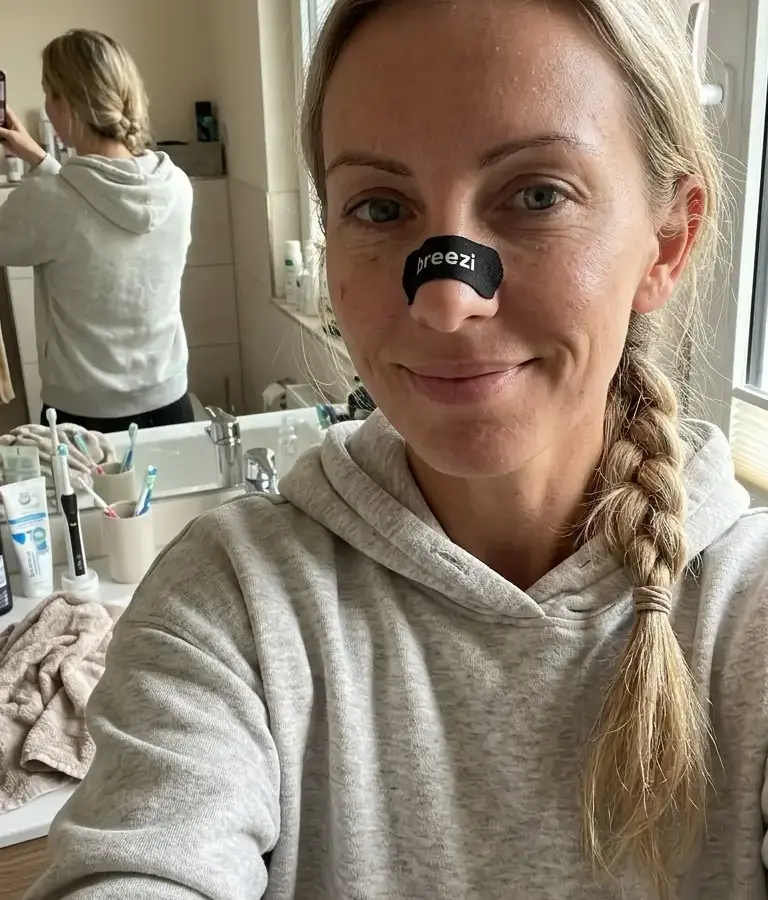
Snoring is embarrassing, annoying for partners - and can be a sign of more serious breathing problems. Nasal plasters against snoring are often recommended as a first, simple solution. The honest answer: They can help, but not always. What is crucial is where the bottleneck is in place.
When snoring comes from the nose
Snoring sounds occur when air flows through narrow or vibrating structures. Is the cause in the Nose, it typically works like this:
- You snore louder when you have a cold or allergic congestion
- Breathing sounds more nasal, “whistling”
- Partners report: It's better with a clear nose
- You wake up with a dry mouth — a sign of mouth breathing
In such cases, a nasal strip can improve airflow through the nose and reduce mouth breathing. Studies show: Some of those affected have it nasal cause snoring noticeably decreases - however, it is not sufficient for severe obstructive sleep apnea.
When a nasal plaster is not enough
No plaster will reliably help if:
- Snoring comes from the soft palate or throat (typical when lying on your back)
- Sleep apnea is present - pauses in breathing, extreme tiredness during the day, headaches in the morning
- Obesity or alcohol are the main cause
- anatomical constrictions deep in the nose are surgically relevant
If sleep apnea is suspected: clarify medically. A nasal plaster is then at most an accompanying comfort - not a therapy.
The 60 second self-test
Before you order, try the following:
- Consciously only breathe through your nose - does snoring make it easier for you?
- Lift the tip of your nose slightly with your finger - does breathing become noticeably easier?
- Do you sleep better with a clearer nose (after a shower/sauna)?
If at least two points apply, there is a good chance that one Nasal plasters useful is. More background on the Importance of nasal breathing can be found in our knowledge article.
What Breezi does mechanically
The Breezi Premium nasal plasters lifts the nostrils from the outside - without active ingredients. For occasional snorers with stuffy or narrow noses, this is a low-risk first step before more expensive aids come into play.
If allergies or pollen are involved, also read: Nasal plasters for allergy sufferers.
Practical tips besides the plaster
- Try lying on your side instead of lying on your back
- Reduce alcohol and late eating
- Check the humidity in the bedroom (40-50% ideal)
- Apply plaster correctly - see Instructions
COMMON QUESTIONS
Are nasal plasters guaranteed to reduce snoring?
No. It can help if the nose is the constriction - not for every cause of snoring.
How quickly do I notice a difference?
Breathing flow is often noticeable on the first night; Whether the snoring goes away for others varies.
Can I combine it with CPAP?
Only after consultation with the treating doctor - depending on the therapy individually.